
Where History Meets the Sea
Where History Meets the Sea

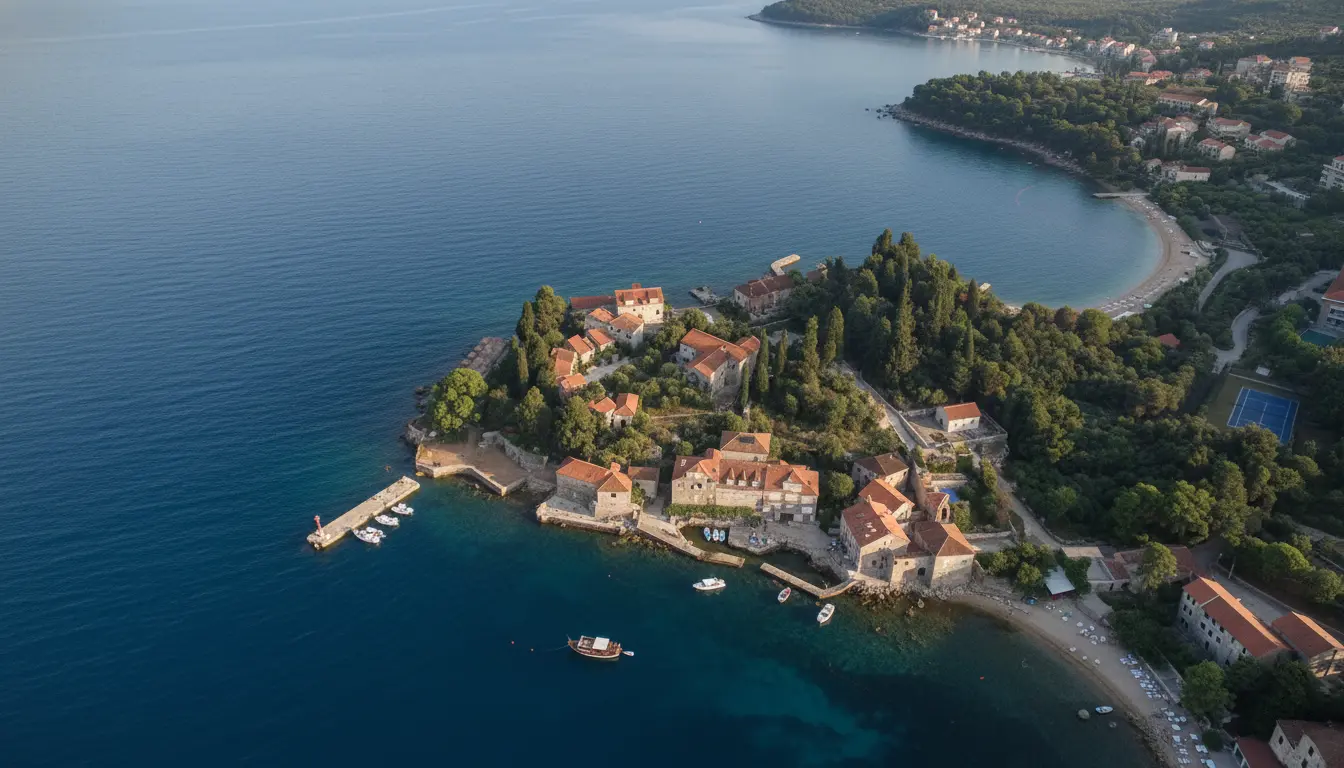
Rose · Luštica Peninsula · Montenegro
Where History Meets the Sea
On the quiet edge of the Luštica Peninsula, where the Bay of Kotor opens into the Adriatic, lies Rose — a place shaped by sea, stone, and time.
Once an ancient coastal settlement known as Punto Roza, this small Mediterranean village has existed for centuries as a point of arrival and departure.
Over time, it was shaped by Greek, Roman, Byzantine, Venetian, and Austro-Hungarian influence — each leaving behind traces that still define its character today.
Rose has never been a place that stood still. It has always been a place that watches the sea.
Chapter I
Positioned at the natural gateway of the Bay of Kotor, Rose played a vital role in maritime life across the Adriatic. For centuries, ships arriving from the open sea would anchor here — seeking shelter, inspection, and passage into the protected waters of the Bay.
A customs point.
A quarantine station.
A harbor between worlds.
From the 17th and 18th centuries, during the golden age of Boka's maritime tradition, Rose became deeply connected to the lives of captains and seafarers who carried its name across distant waters.
That maritime identity still lives here — quietly embedded in stone, churches, and coastline.
Chapter II
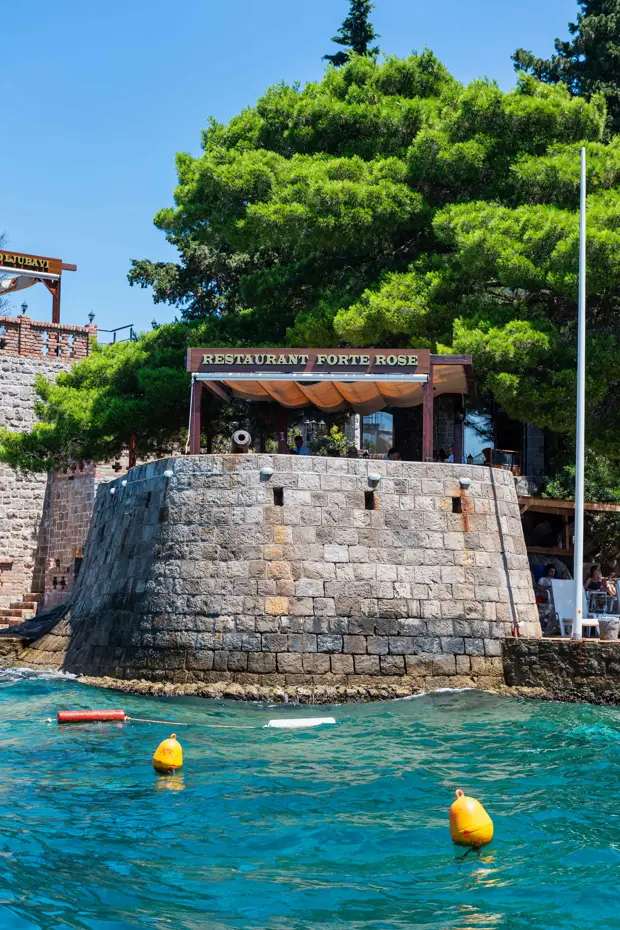
Built into this historic landscape, Forte Rose stands on the foundations of an Austro-Hungarian coastal defense system that once guarded the entrance to the Bay of Kotor. Together with nearby fortifications such as Arza and Mamula, it formed part of a strategic maritime network designed to control access to one of the Adriatic's most important natural harbors.
Forte Rose was never just a structure — it was a point of observation, protection, and precision. A place where land met sea under strict watch.
Today, that same location has been reimagined into a retreat of stillness and refinement, while preserving the silence and strength of its past.
Chapter III
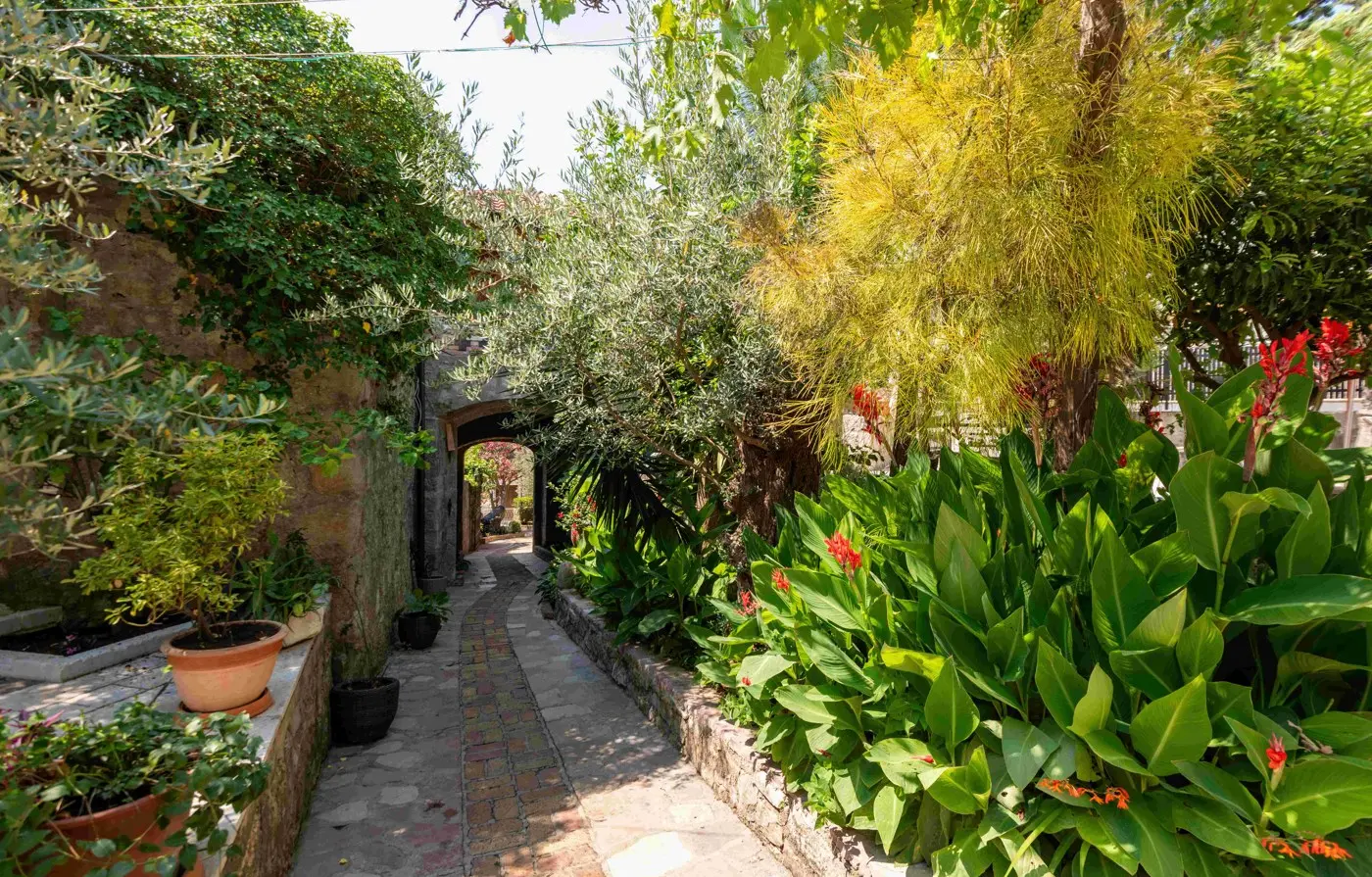
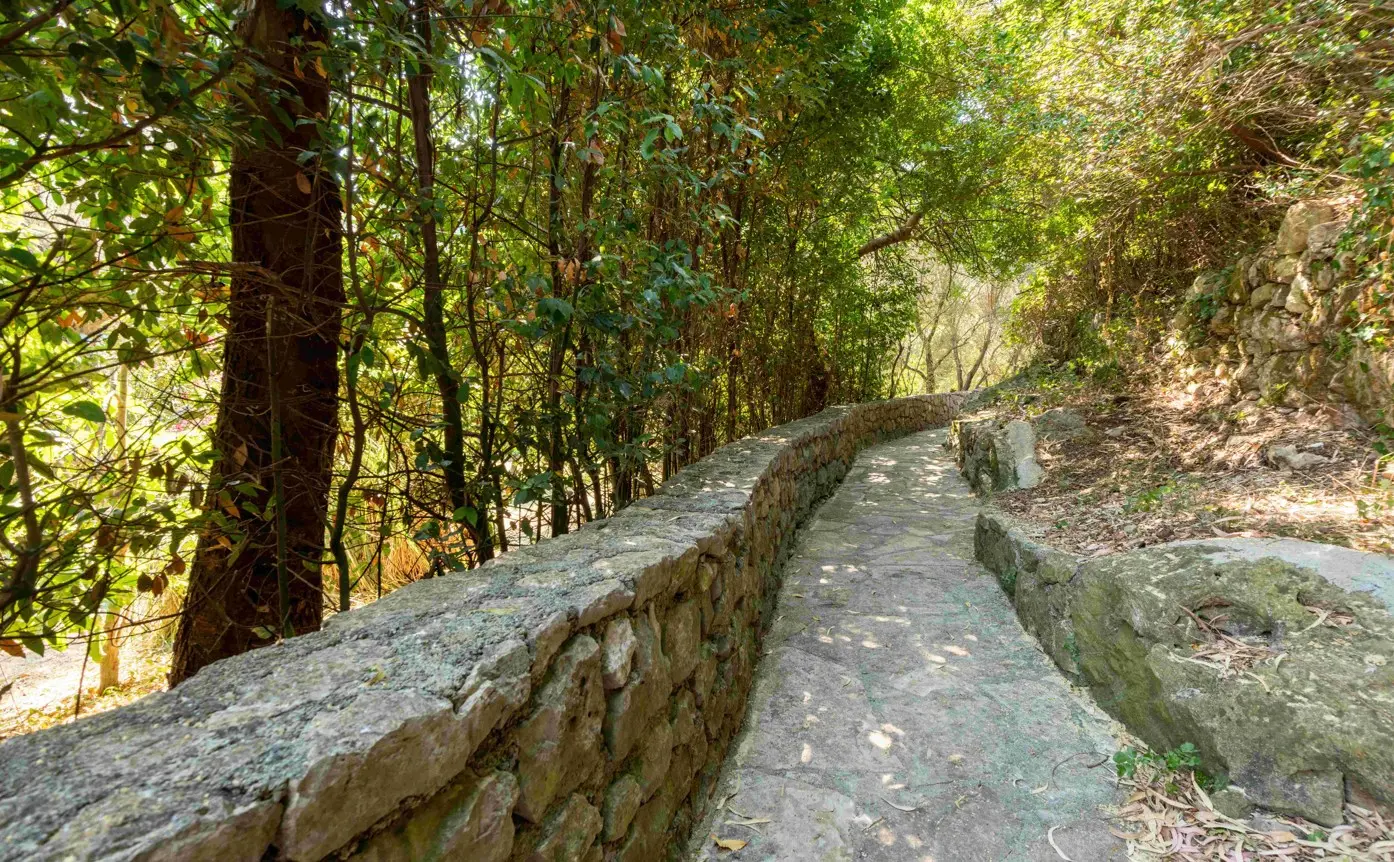
Forte Rose is surrounded by untouched Mediterranean nature — cypress, pine, olive, and carob trees shape a landscape that feels both wild and harmonious.
The Maestral wind defines the rhythm of the day, moving constantly across the coastline, while the sea remains ever-present — calm, reflective, and infinite.
Here, nature is not a backdrop. It is the architecture of the experience.
Olive Groves
Living witnesses of a centuries-old agricultural rhythm, the original Austro-Hungarian groves still stand.
The Maestral
The eternal sea breeze that shapes every day at Forte Rose — cooling, clarifying, constant.
The Adriatic
Calm, reflective, and infinite — the sea is ever-present at Forte Rose, not a view but a companion.
Chapter IV
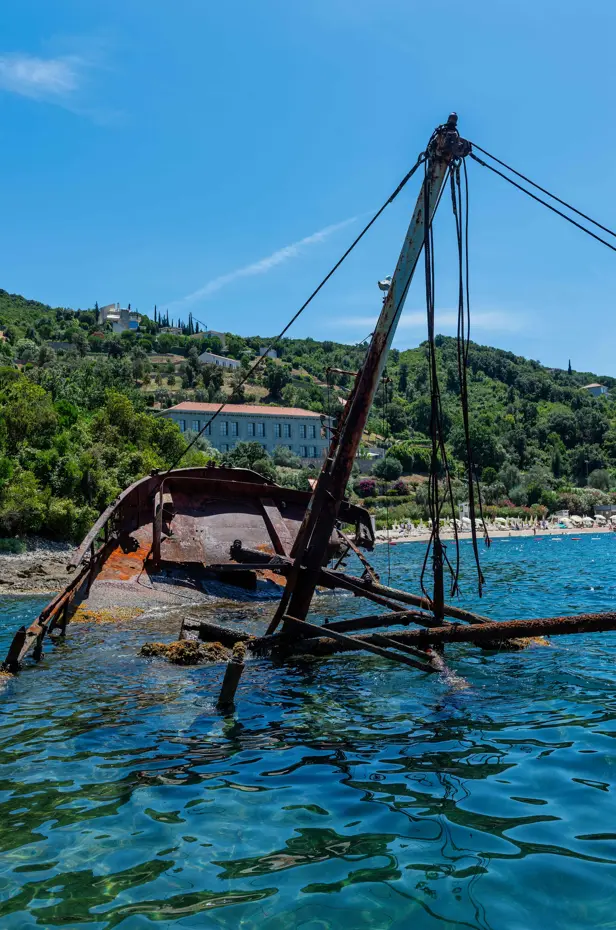
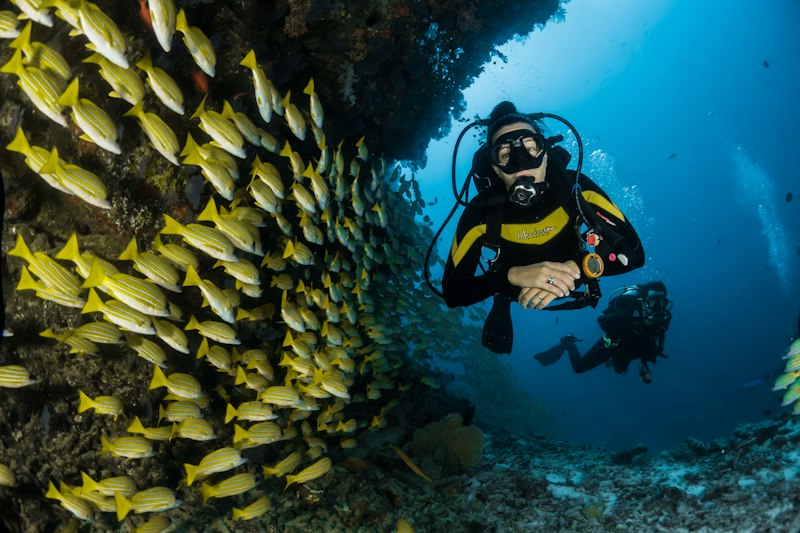
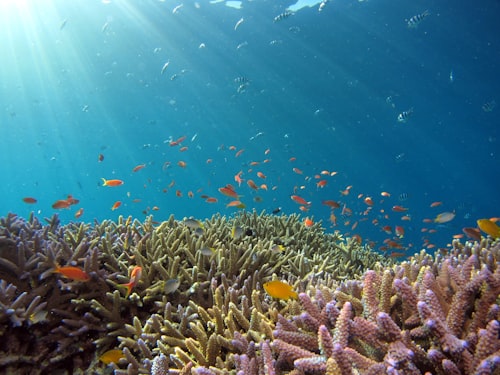
Beneath and around Rose lies another layer of history — one that exists underwater and in silence.
Ancient anchors, cannonballs, ceramics, and the remains of a 16th-century Spanish shipwreck reveal a coastline shaped by centuries of trade, travel, and maritime exchange.
This is not a place that preserves history in museums — it preserves it in the sea itself.
A Place That Still Breathes History
It remains what it has always been:
A place between worlds.
Between land and sea.
Between history and stillness.
And at its heart, Forte Rose continues that story — quietly, elegantly, and without interruption.